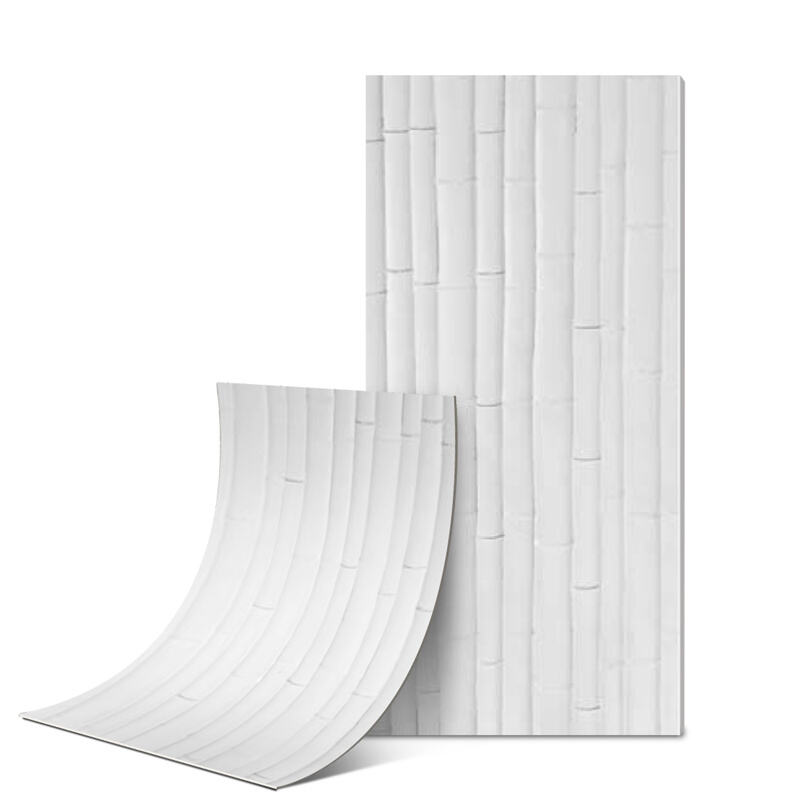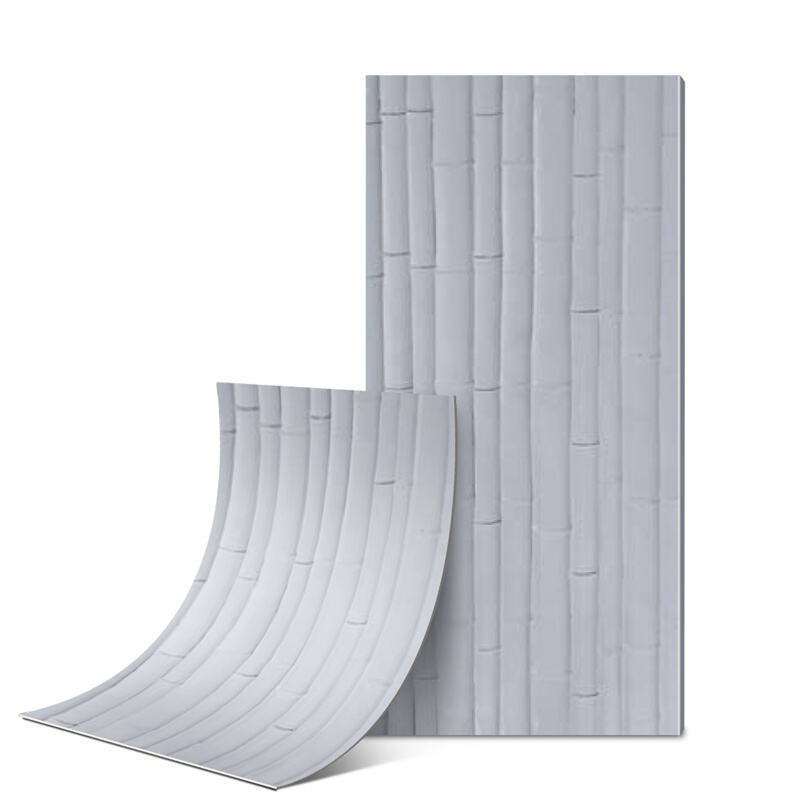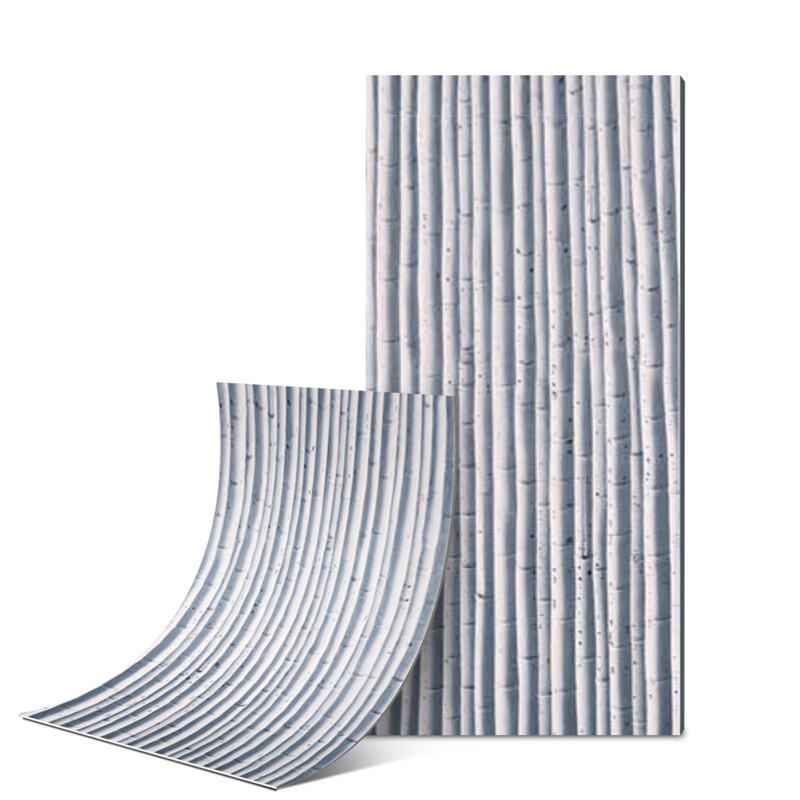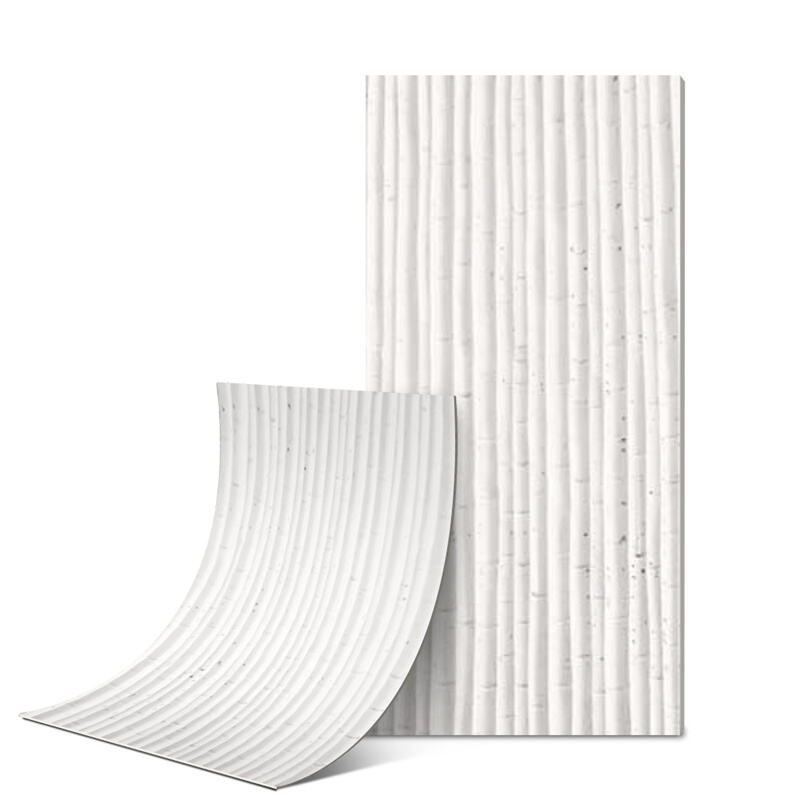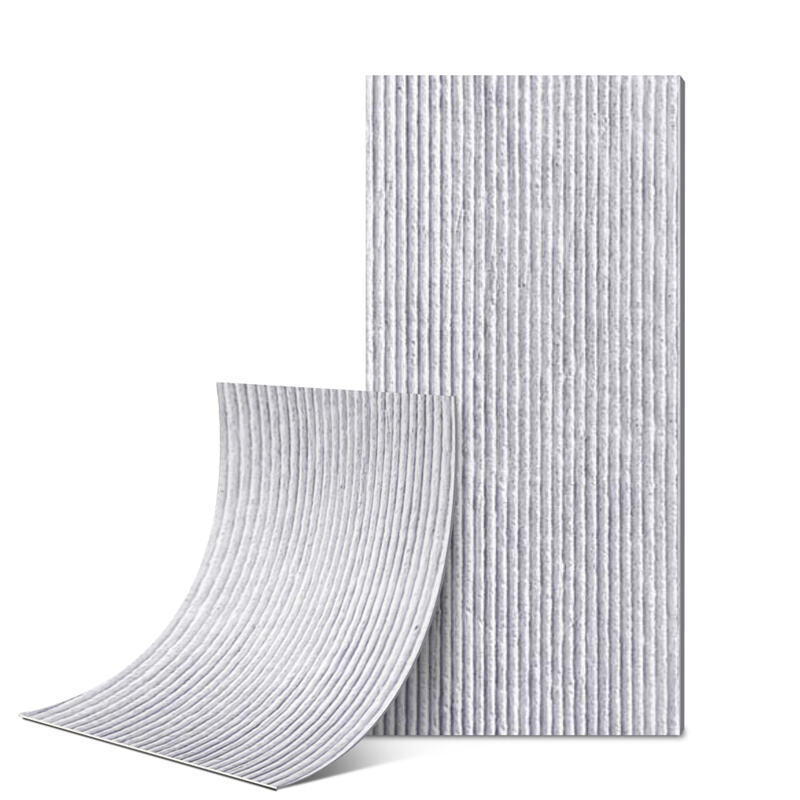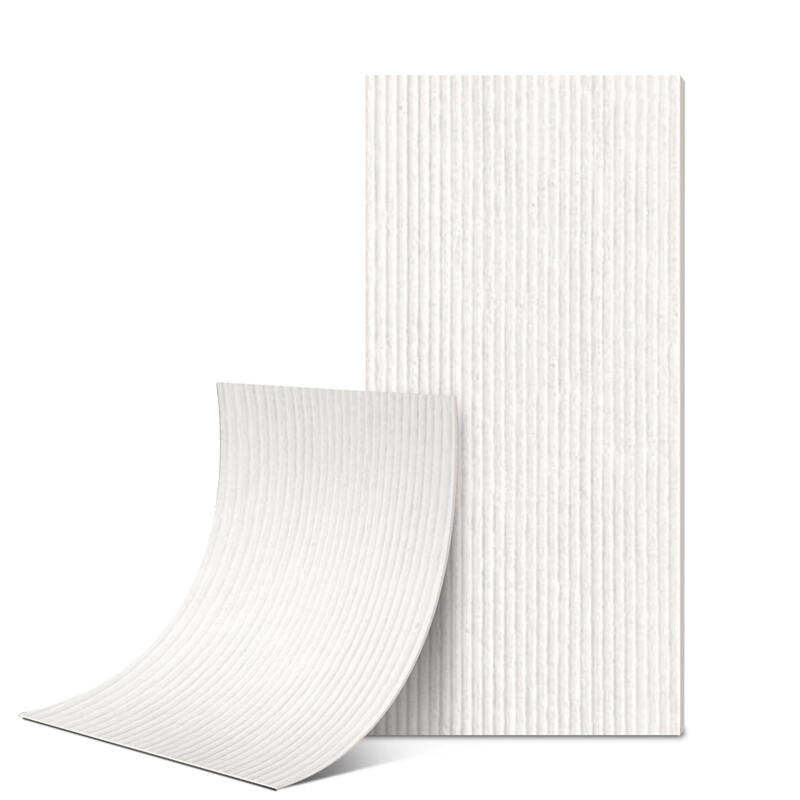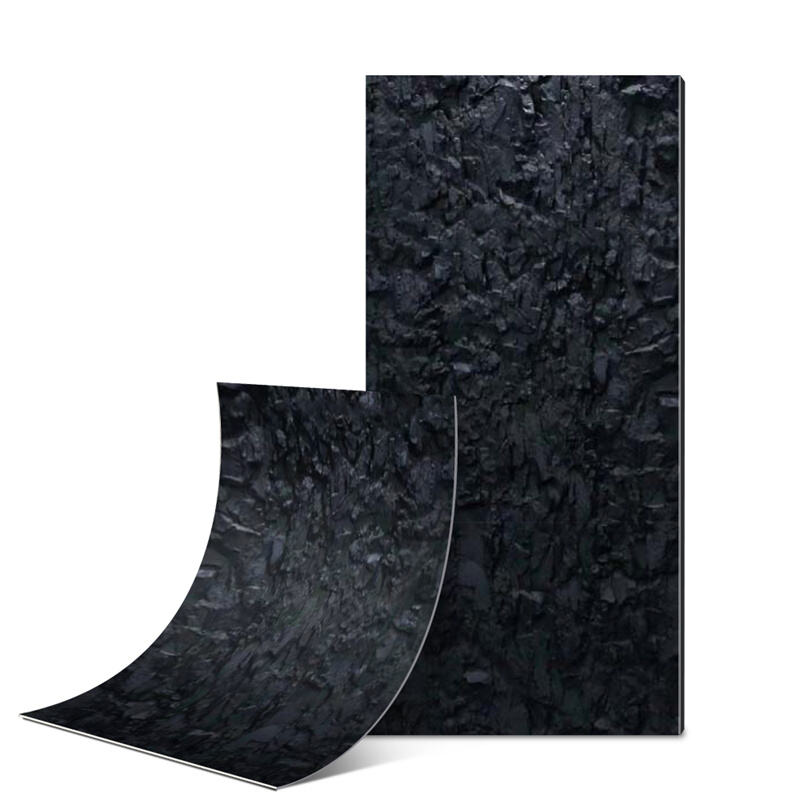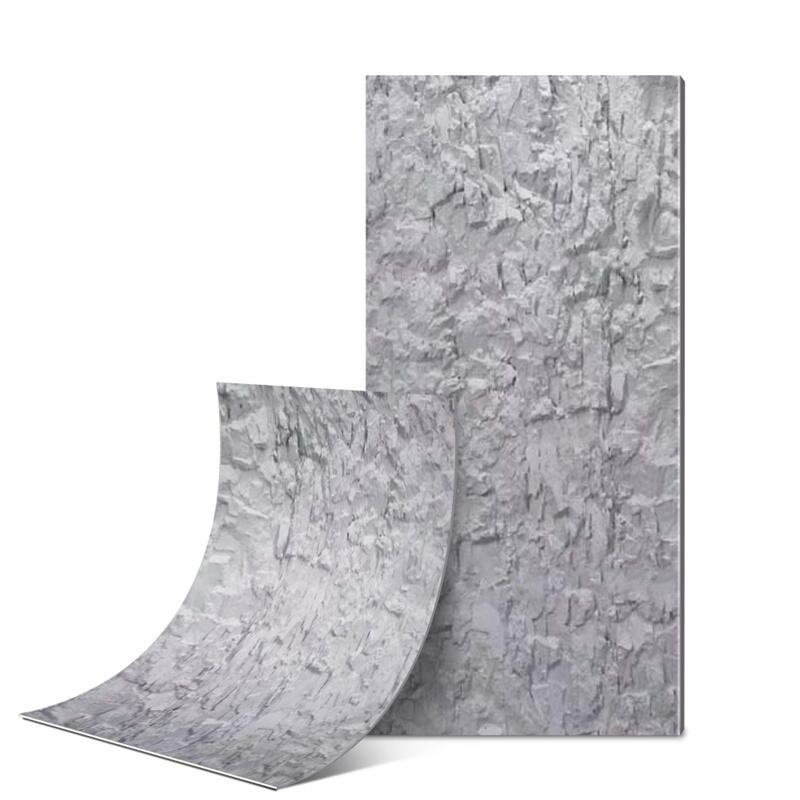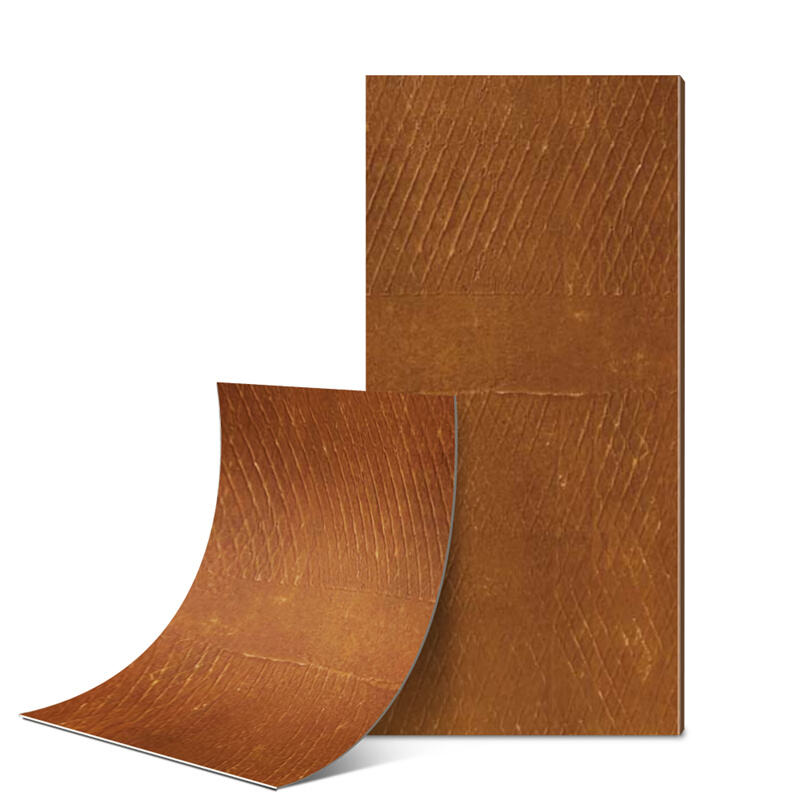
Flexible boards — like those manufactured by Eco-Arch — are an amazing new technology that are changing the way that things are made. These boards are flexible and can be easily removed, so they are useful in all sorts of occupations. We explore the advantages of flexible boards and how they are shaping the industry today.
Flexible boards work well in many industries as well since they can be molded into a variety of shapes. That makes them good for use in places you wouldn’t be able to use hard boards. For example, in medicine, bendable boards could lead to wearable devices that monitor a person’s heart rate and other important signs. A hard board wouldn’t support this.
Soft boards are also extremely light, making them ideal for items that will need to be easily transported. In the aerospace industry, for example, flexible boards are leveraged to create drones that are easily transferable from location to location. This is not possible with a board being heavy and hard.
Flex circuit boards are revolutionizing the industry as they open doors to new concepts along what can be produced. Designers in the past had to adhere to the shapes and sizes of hard boards. But with flexible boards, the options are limitless! Never before have designers been able to create more creative and efficient products.
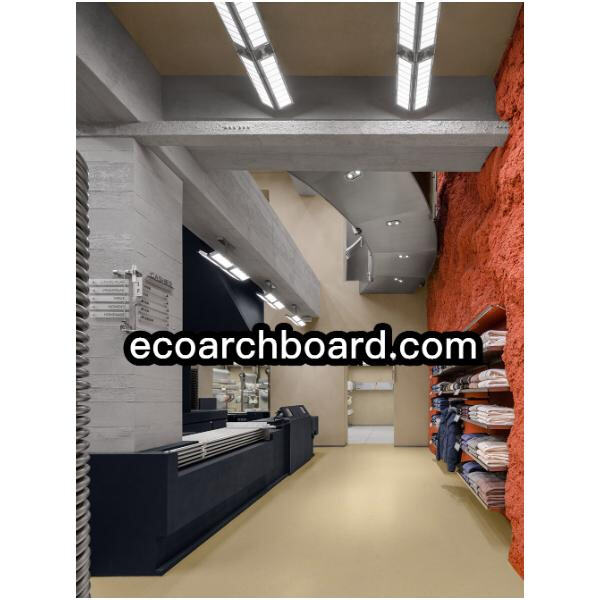
Flexible boards can also help speed up the creation of new products. And because they are malleable, companies can quickly produce prototypes and experiment with new concepts. That translates to products going from concept to a retail situation much more quickly, which can be a boon for companies trying to get there first.
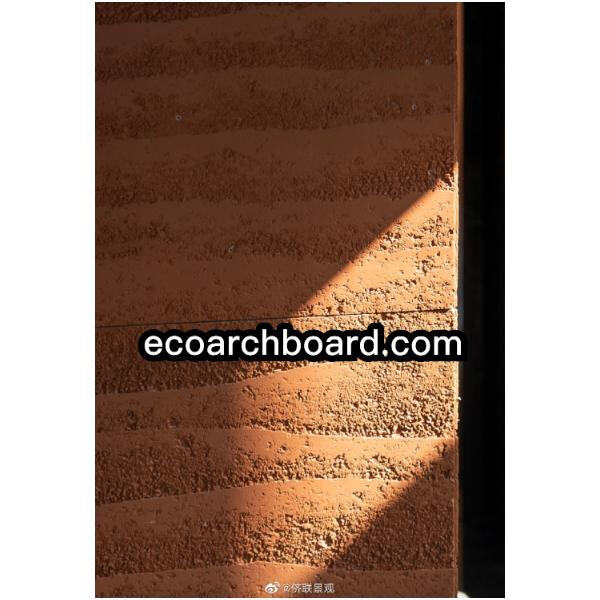
Flex board technology is a cool new tool that’s beginning to shift the way we think about designing and building things. Designers can now produce products that are more useful, efficient, and inventive with flexible boards. Flexible board technology allows the companies to get ahead in the market and produce new exciting products.
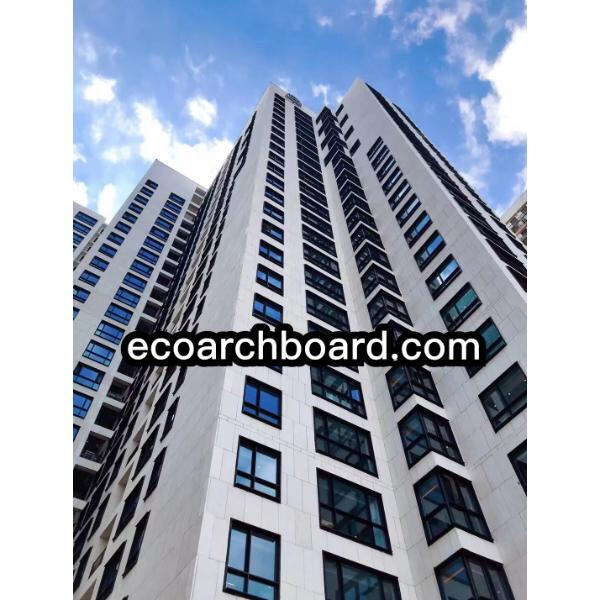
Versatility is one of the big benefits of flexible board technology. Flexible boards are used in a variety of industries, such as electronics, health care and transportation. This means that it becomes easier for designers to experiment with new concepts and create things that they once thought were impossible.
Shanghai Eco-Arch leverages over 11 years expertise in R D innovations lead the green building materials market. extensive experience reflected in broad product line comprising Artistic Gilt Wall Panels, Gilt Sandstone Cement Boards Flexible Ceramic Tiles, 3D Travertine Soft Stones. team engineers' designers continuously push boundaries of science and technology incorporating sustainable practices the flexible board technology into our products. dedication innovation ensures that products aren't just up to standards of industry, but they also surpass them, offering exceptional durability, aesthetic appeal and environmental advantages. Eco-Arch is a partner who is committed to providing cutting-edge solutions for modern construction. This is backed with over 100,000 successful examples of cooperation across the world.
Shanghai Eco-Arch places quality control at the core its production strategy. understand the importance durability and reliability in building materials, which is why we employ strict standards quality control at each stage manufacturing. state-of-the-art facilities equipped with advanced testing equipment to flexible board that our products like KTC Exterior Panels, Fiber Cement Boards Translucent Concrete meet highest standards of quality safety. Every product is subjected to a rigorous inspection for size, color structural integrity. This ensures that every item is delivered to manufacturing facility in perfect quality. Our commitment to quality offers customers the assurance they are investing in materials that combine excellent craftsmanship exceptional endurance, making Eco-Arch an acknowledged name in the field.
Shanghai Eco-Arch's remarkable production capacity specifically designed meet needs of projects of any scale, ensuring timely delivery and constant supply. manufacturing facilities can manufacture large quantities diverse building materials, including Gilt Sandstone Cement Boards, 3D Travertine Soft Stones, Translucent Concrete, without compromising quality. robust capacity has flexible board more than 100,000 cooperation cases up to now. This allows us effectively offer products both international domestic markets. highly efficient production procedures and massive operations guarantee a constant flow of materials which reduces lead times, helping keep your projects on track. Eco-Arch's production capabilities ensure that, if you're undertaking a residential construction project or a massive commercial one, you will receive the materials that you require when you need them.
Shanghai Eco-Arch excels offering tailored solutions meet the specific needs each client, underscoring commitment providing customer-focused service. wide range products, which includes over 3,000 high-quality items--including Artistic Gilt Wall Panels Flexible Ceramic Tiles, Concrete Boards--can be customized terms color, size, layout suit every project's requirement. ensure our customers a personalised seamless experience, offer free samples as well as 24/7 professional OEM/ODM services. single-stop solution approach ensures that take care of every aspect of the customization process, delivering bespoke products that align perfectly with vision for project. With Eco-Arch customization process goes beyond mere service; it's flexible board to provide tailored quality increases functional aesthetic value of your construction efforts.
 EN
EN
 AR
AR BG
BG HR
HR DA
DA NL
NL FI
FI FR
FR DE
DE EL
EL HI
HI IT
IT JA
JA KO
KO NO
NO PL
PL PT
PT RU
RU ES
ES SV
SV TL
TL ID
ID VI
VI HU
HU TH
TH TR
TR FA
FA MS
MS BE
BE BN
BN LO
LO LA
LA MY
MY KK
KK TG
TG UZ
UZ LB
LB