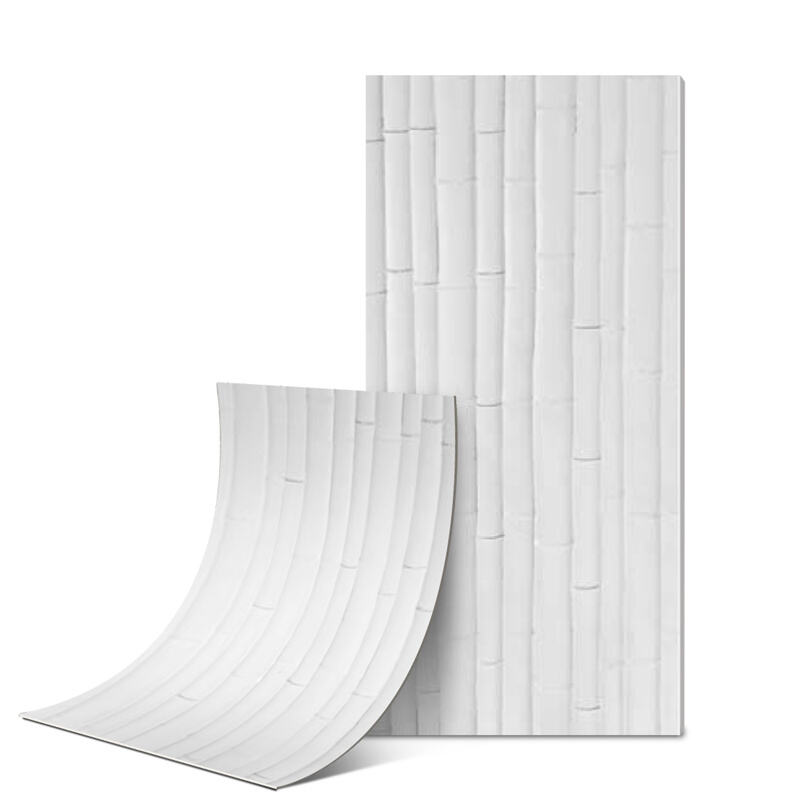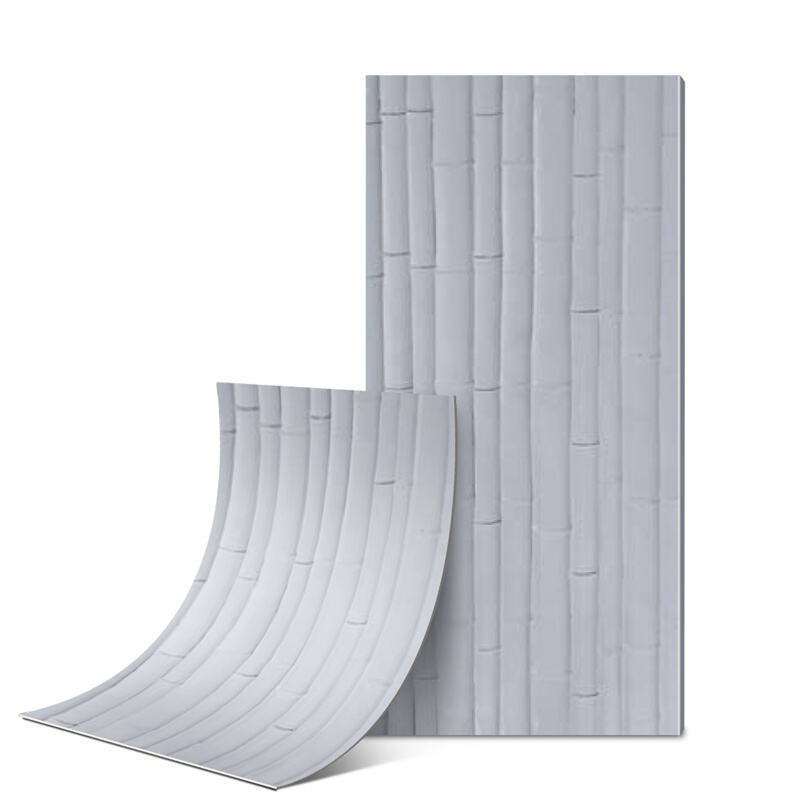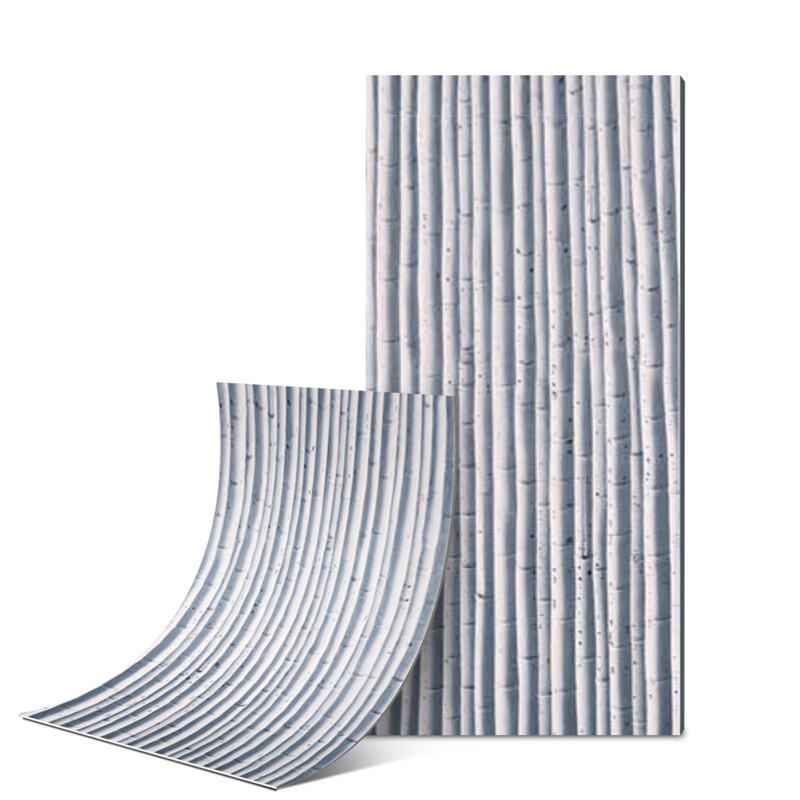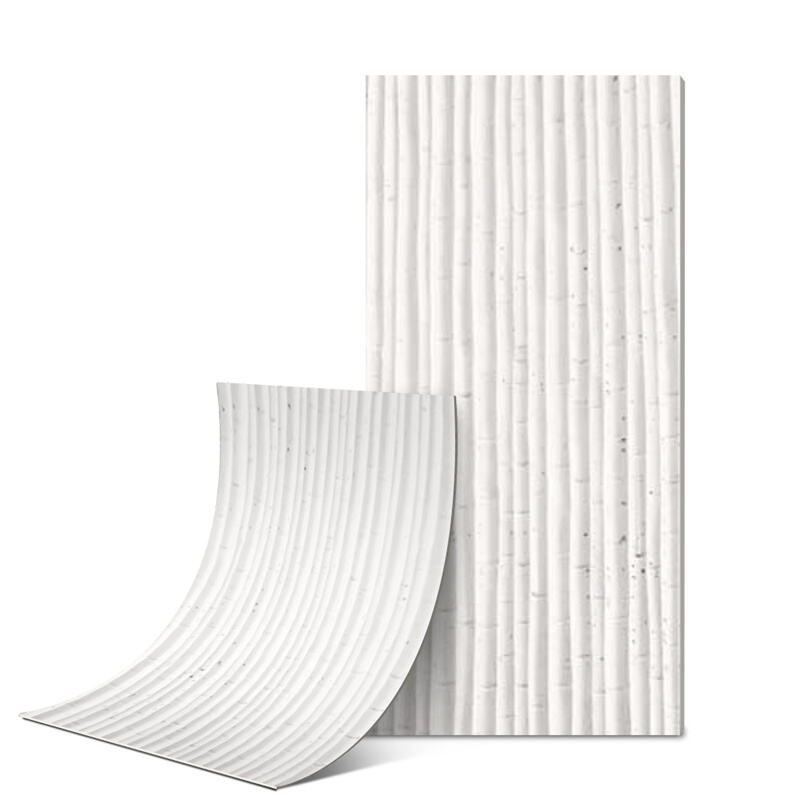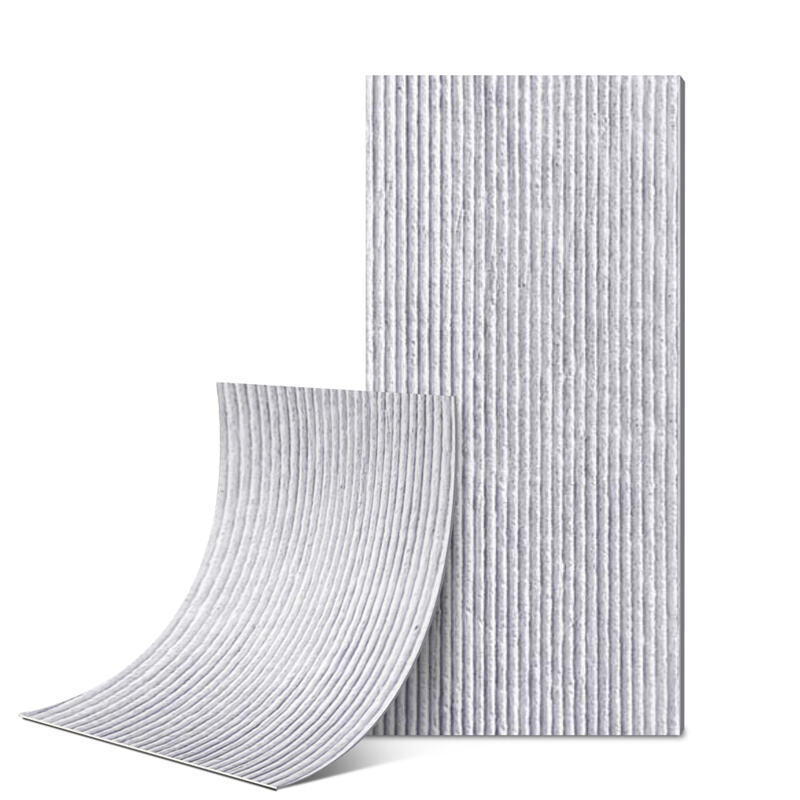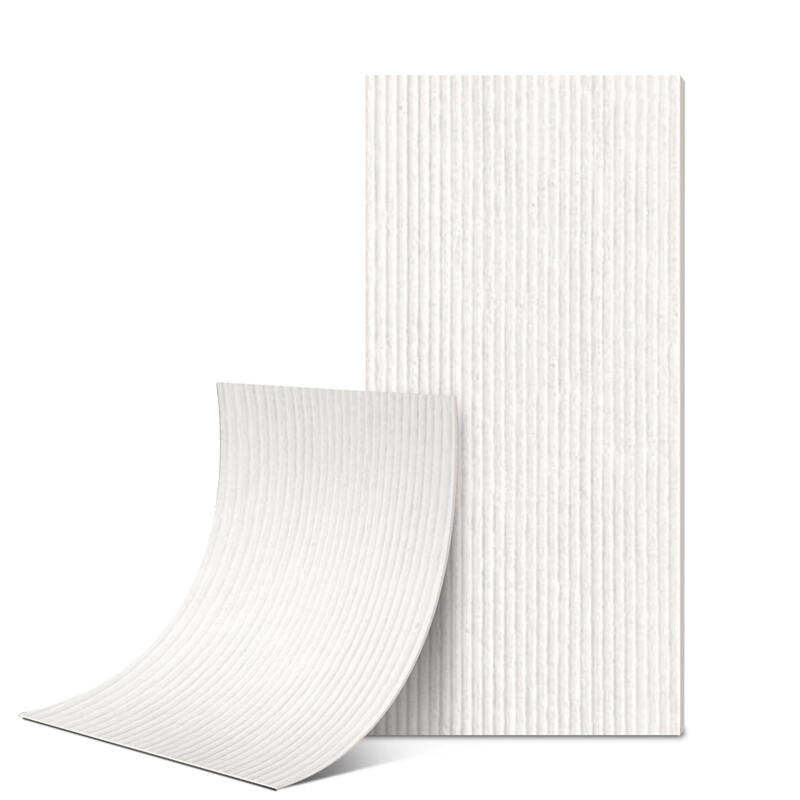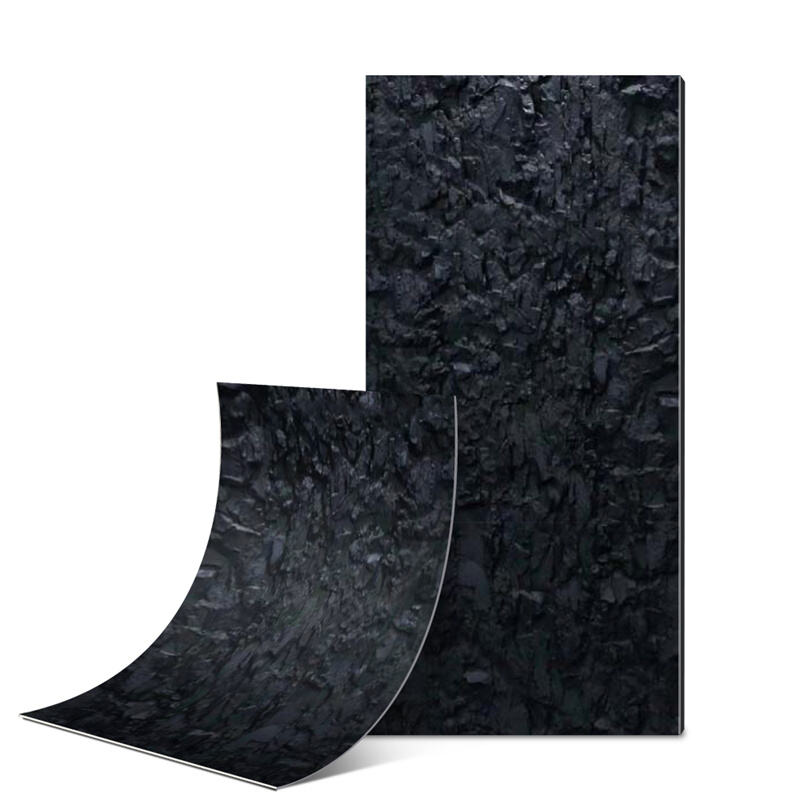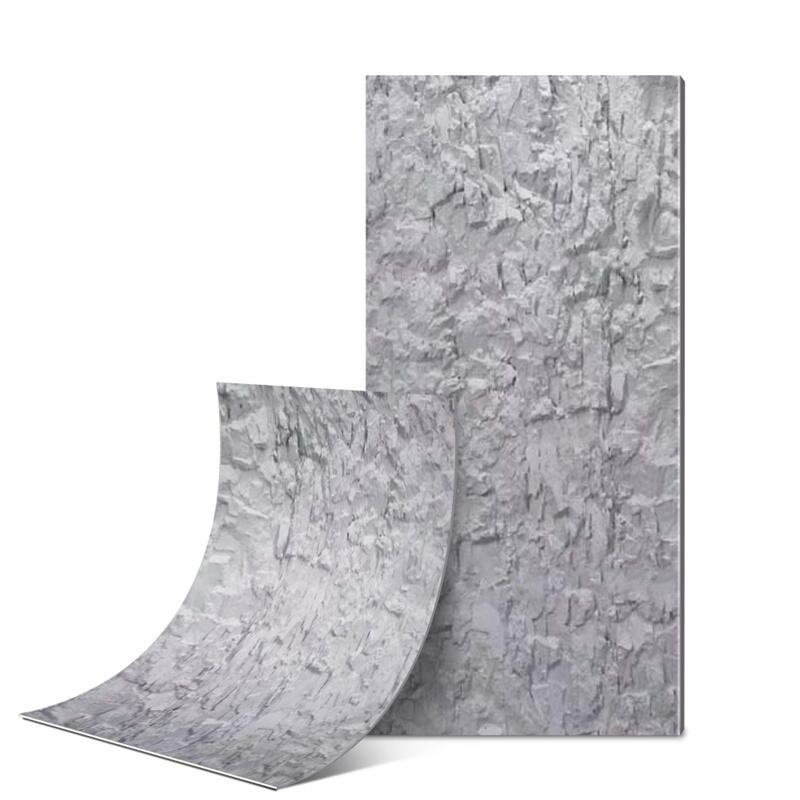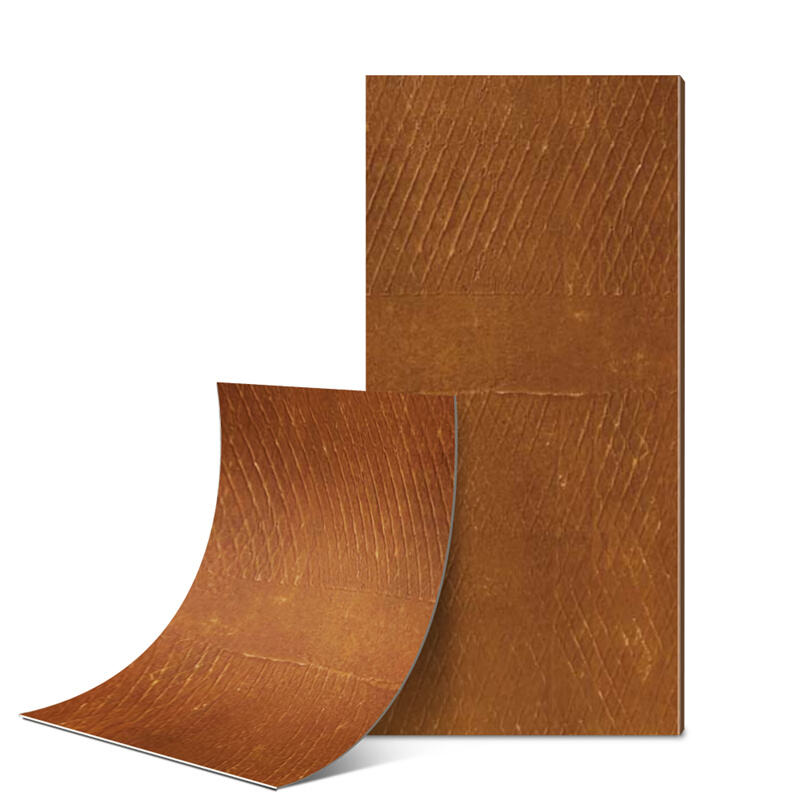
Flexible cladding is a particular type of covering that can flex and move. It can alter the appearance of a building and make it more beautiful. Picture a building that can undulate like a river or ripple like a snake. That's the beauty of flexible cladding!
Architecture The art of designing buildings. Flexible cladding is transforming the way architects design. With flexible cladding, buildings can wear shapes and patterns that were never before available to them. Amazing buildings, which have been built, can be the product of the architects’ imagination.
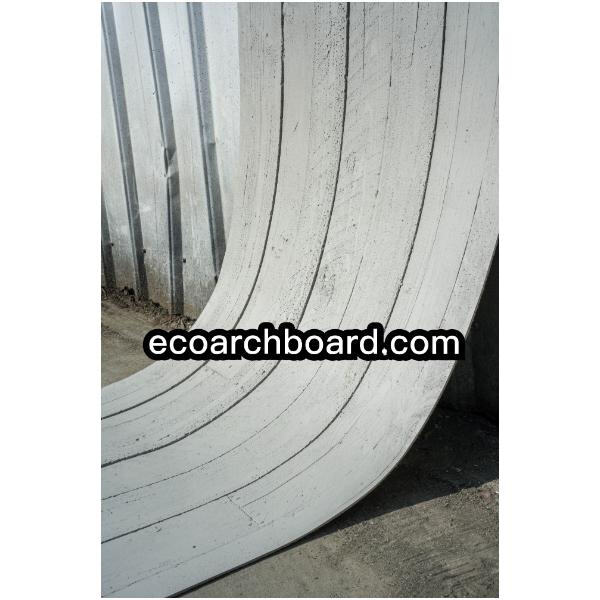
There are numerous advantages of flexible cladding. It can shield buildings from rain, wind and other weather. It is a natural insulator to keep buildings warm in winter and cool in summer. Flexible cladding is also easy to keep clean and maintain, which will further save on time and costs for building owners. With so many advantages, no wonder flexible cladding is becoming increasingly popular among architects.
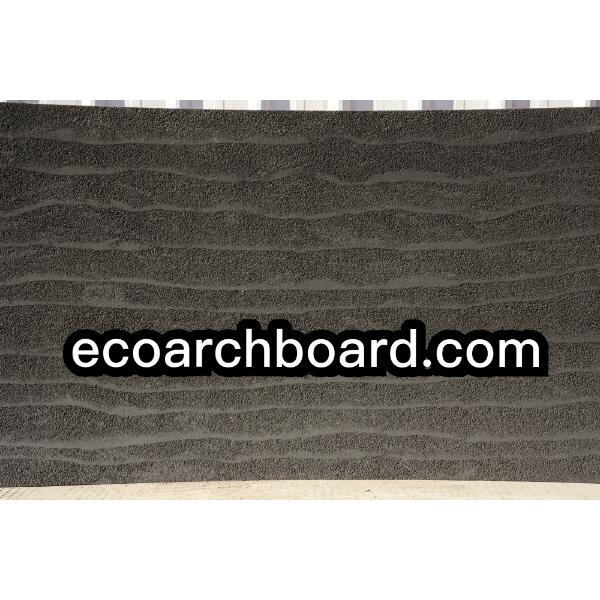
Flexible cladding looks does the job, looks nice, and oh yeah, is friendly to the environment. Eco-friendly just means it is environmentally friendly. Recyclable material: Flexible cladding can be manufactured from recyclable materials, this contributes to environmental sustainability by minimizing waste and reducing harm to the Earth. It can even help buildings to consume less energy, a good thing for our planet. In opting for flexible cladding, architects can design beautiful buildings that benefit the environment.
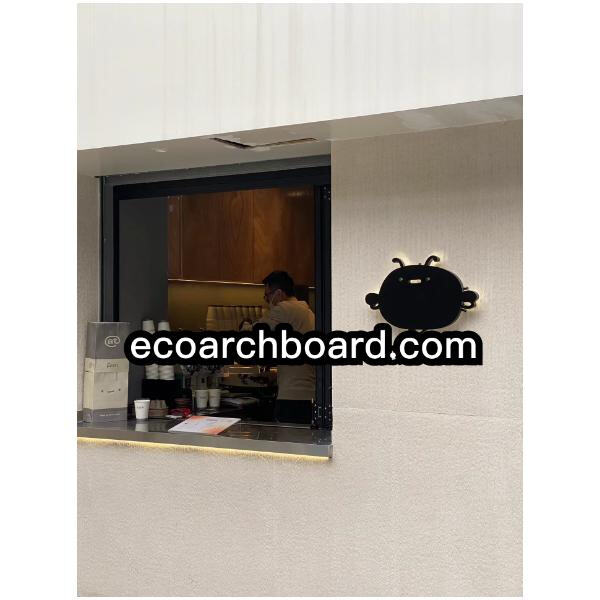
Artistic applicationsFlexible cladding has a whole range of artistic possibilities. It can be bent into curves, angles and other shapes that make buildings appear distinct and creative. From waving walls to chill designs, the options are endless. Designers can use flexible cladding to design buildings that are works of art, transforming ordinary buildings into beautiful sculptures.
At Shanghai Eco-Arch, quality control is an integral part of manufacturing philosophy. recognize the significance reliability and durability in building materials. That's why have enacted stringent quality control processes at every step of production process. state-of-the-art facilities equipped with sophisticated testing equipment make sure that products such KTC Exterior Panels, Fiber flexible cladding Boards Translucent Concrete meet highest standards performance and safety. Every product subject rigorous inspection to ensure consistency in dimensions, color structural integrity, ensuring every item which leaves our factory is built to last. unwavering dedication to quality provides customers with the assurance that they are investing in materials that combine top craftsmanship and outstanding durability, making Eco-Arch an established name in the industry.
Shanghai Eco-Arch's remarkable production capacity specifically designed meet needs of projects of any scale, ensuring timely delivery and constant supply. manufacturing facilities can manufacture large quantities diverse building materials, including Gilt Sandstone Cement Boards, 3D Travertine Soft Stones, Translucent Concrete, without compromising quality. robust capacity has flexible cladding more than 100,000 cooperation cases up to now. This allows us effectively offer products both international domestic markets. highly efficient production procedures and massive operations guarantee a constant flow of materials which reduces lead times, helping keep your projects on track. Eco-Arch's production capabilities ensure that, if you're undertaking a residential construction project or a massive commercial one, you will receive the materials that you require when you need them.
Shanghai Eco-Arch leverages over 11 years of experience as a professional in R D and technological innovation to lead sustainable building materials market. diverse product line reflects our vast experience, which includes Artistic Gilt Wall Panels and Gilt Sandstone Cement Boards. Flexible Ceramic Tiles and 3D Travertine Soft Stones as well. committed team designers and engineers continuously pushes the boundaries flexible cladding science, incorporating advanced technologies sustainable practices into range products. commitment to innovation ensures products do not just are line with industry standards but even surpass them provide exceptional durability, aesthetic appeal as well as environmental benefits. Eco-Arch is a trusted partner that is committed delivering innovative solutions for contemporary construction. It is supported with over 100,000 successful examples of cooperation across the world.
Shanghai Eco-Arch excels offering tailored solutions meet the specific needs each client, underscoring commitment providing customer-focused service. wide range products, which includes over 3,000 high-quality items--including Artistic Gilt Wall Panels Flexible Ceramic Tiles, Concrete Boards--can be customized terms color, size, layout suit every project's requirement. ensure our customers a personalised seamless experience, offer free samples as well as 24/7 professional OEM/ODM services. single-stop solution approach ensures that take care of every aspect of the customization process, delivering bespoke products that align perfectly with vision for project. With Eco-Arch customization process goes beyond mere service; it's flexible cladding to provide tailored quality increases functional aesthetic value of your construction efforts.
 EN
EN
 AR
AR BG
BG HR
HR DA
DA NL
NL FI
FI FR
FR DE
DE EL
EL HI
HI IT
IT JA
JA KO
KO NO
NO PL
PL PT
PT RU
RU ES
ES SV
SV TL
TL ID
ID VI
VI HU
HU TH
TH TR
TR FA
FA MS
MS BE
BE BN
BN LO
LO LA
LA MY
MY KK
KK TG
TG UZ
UZ LB
LB