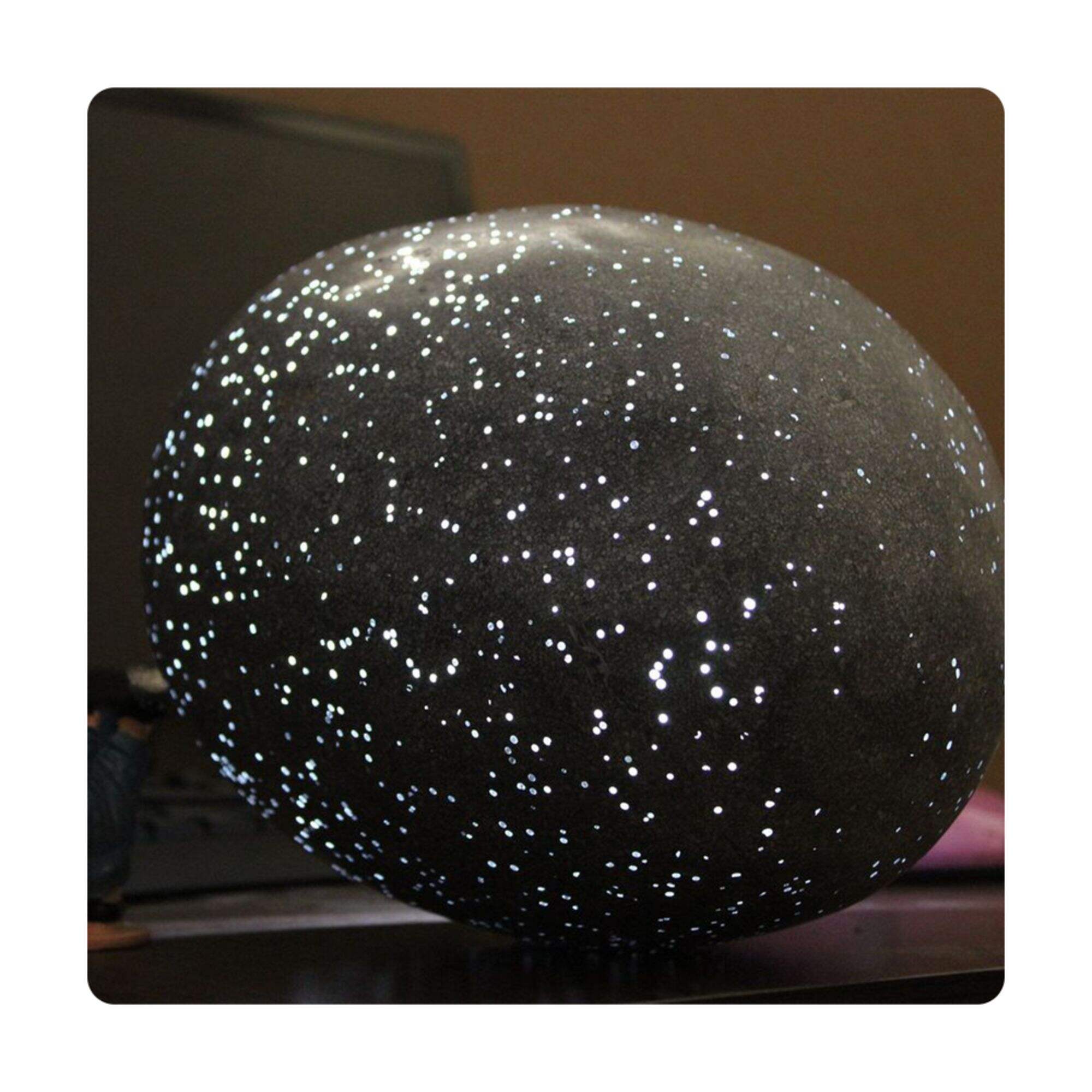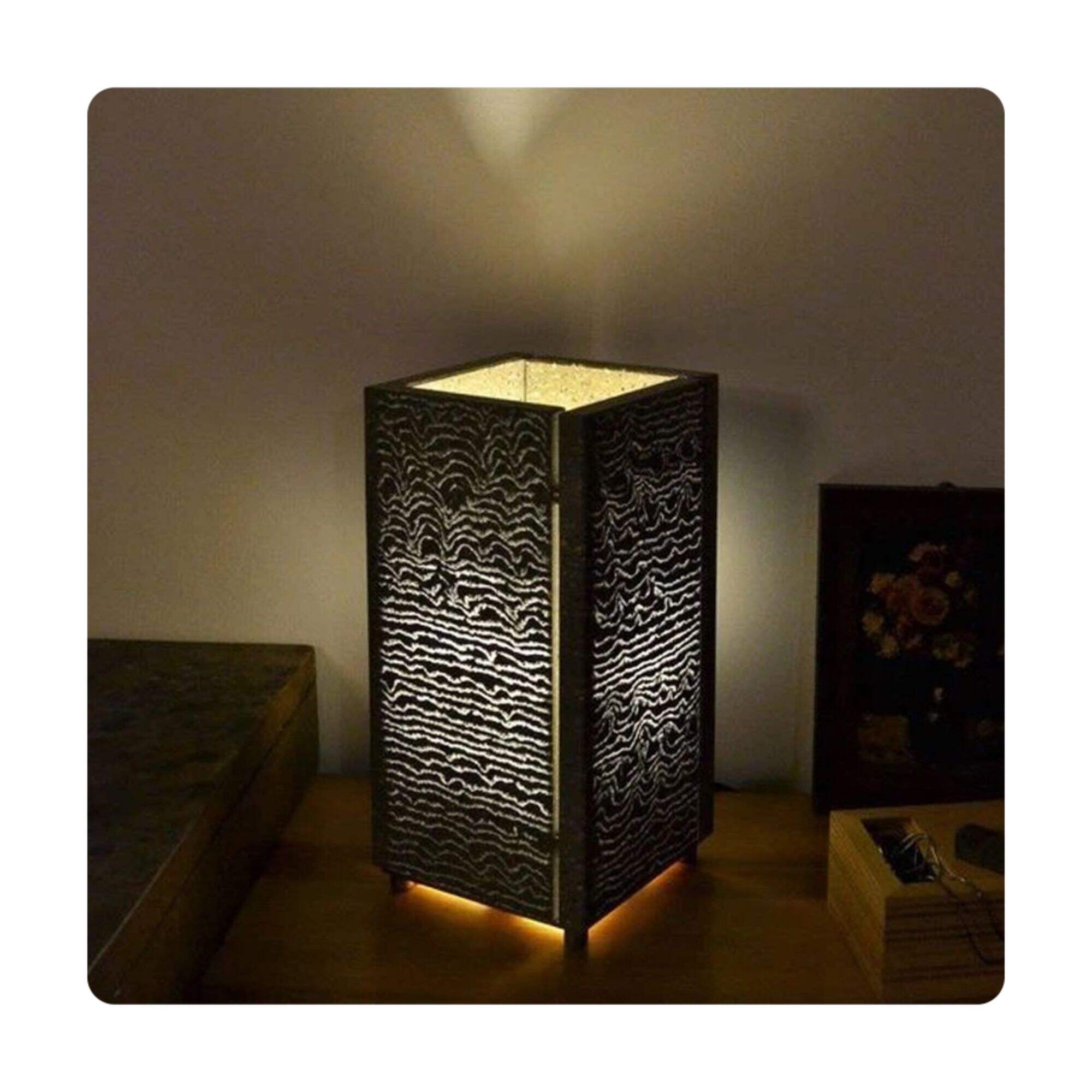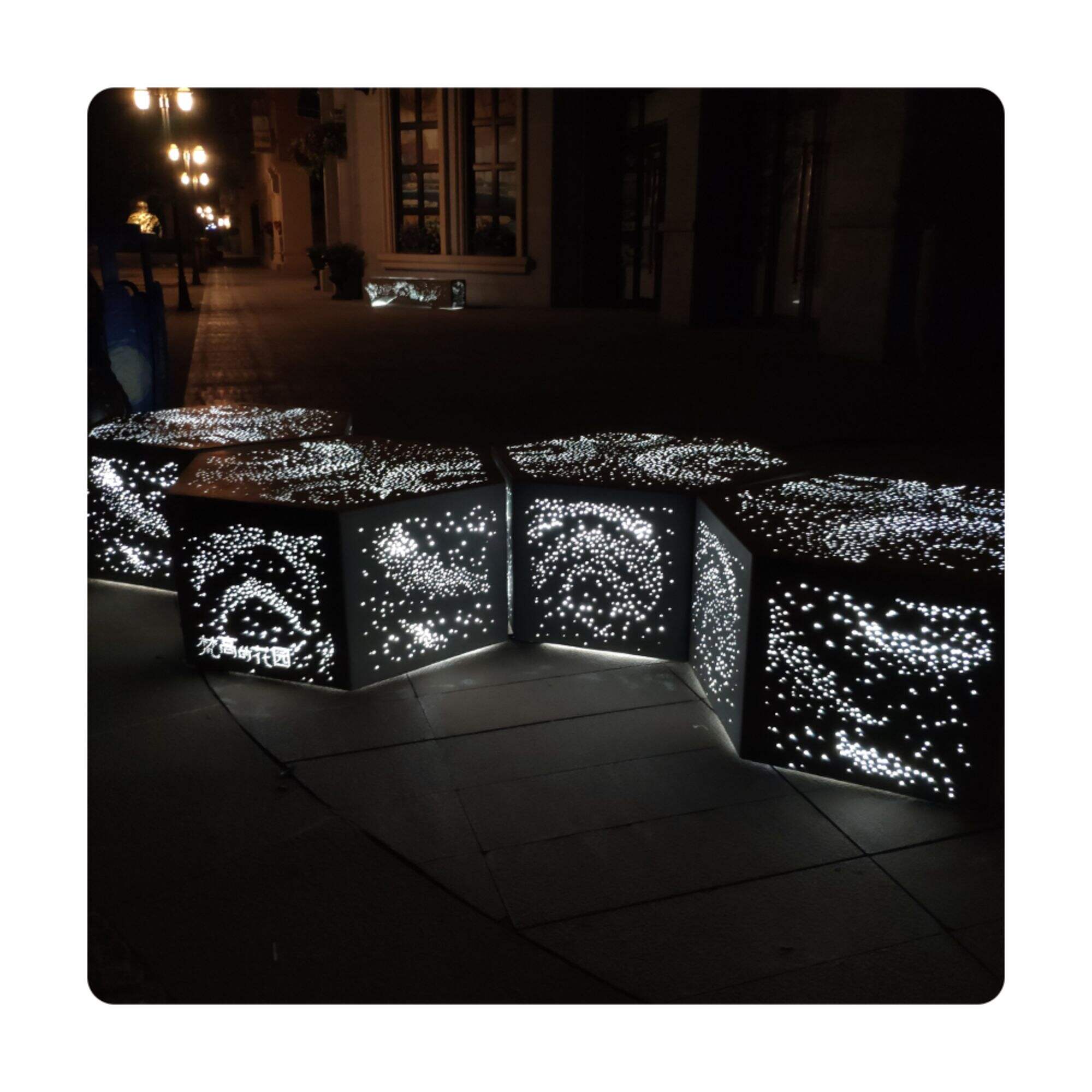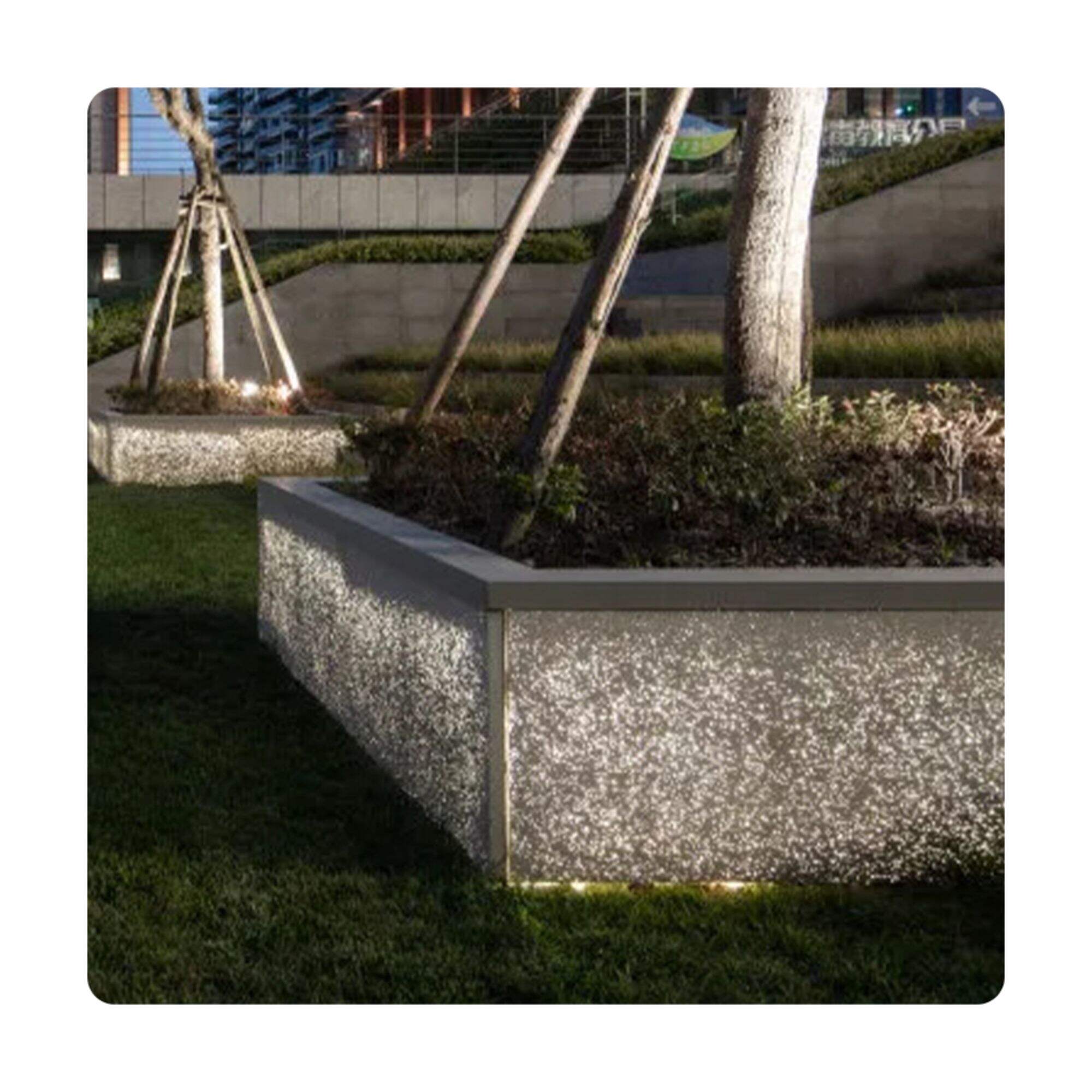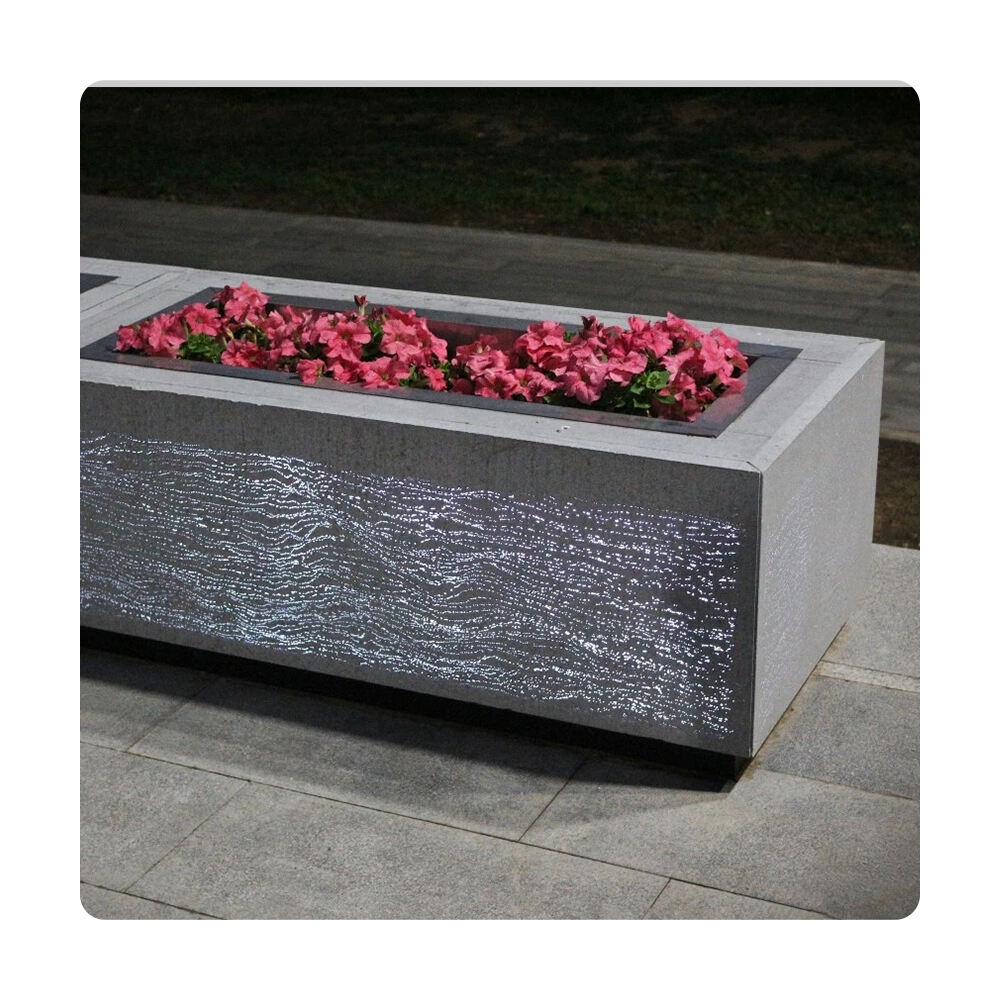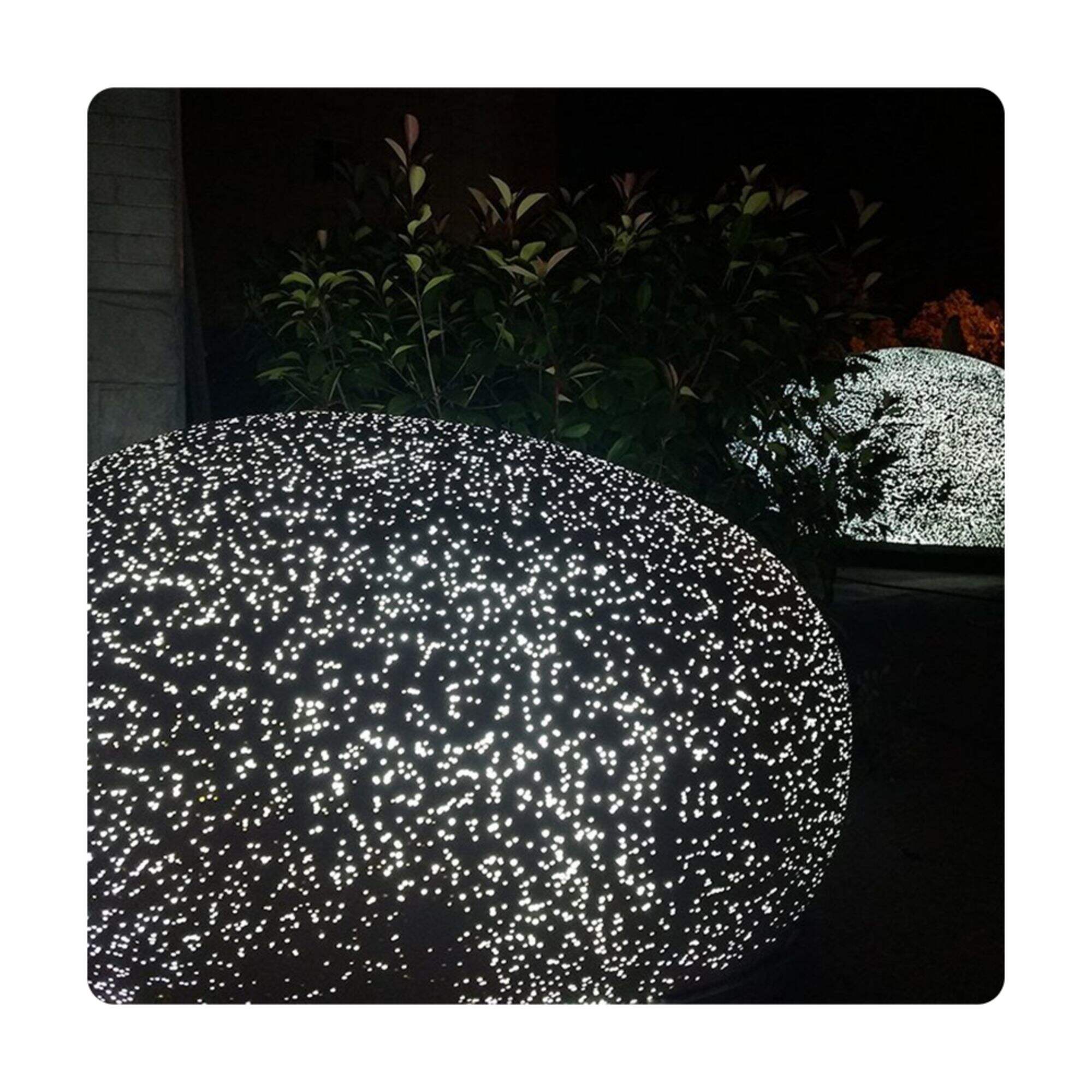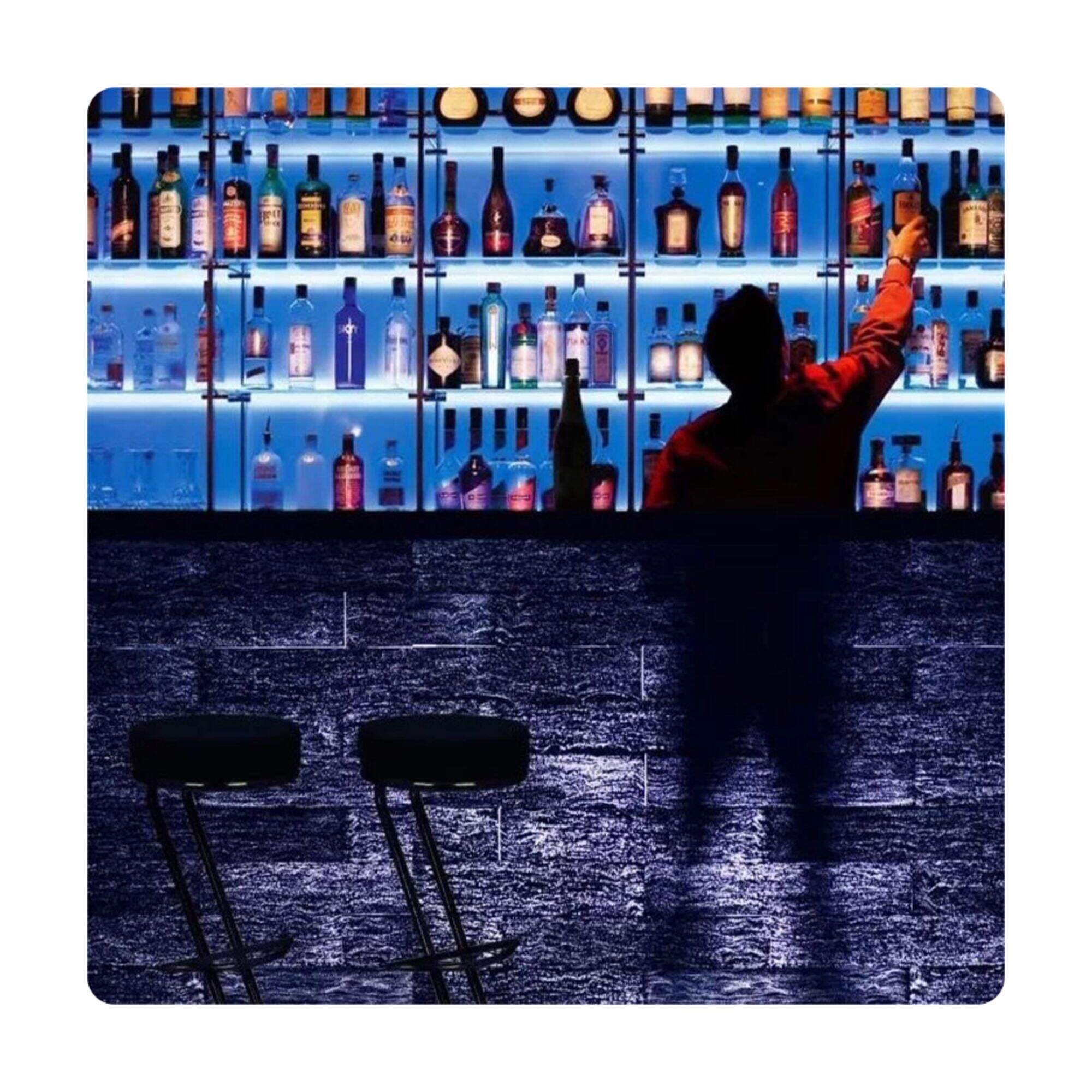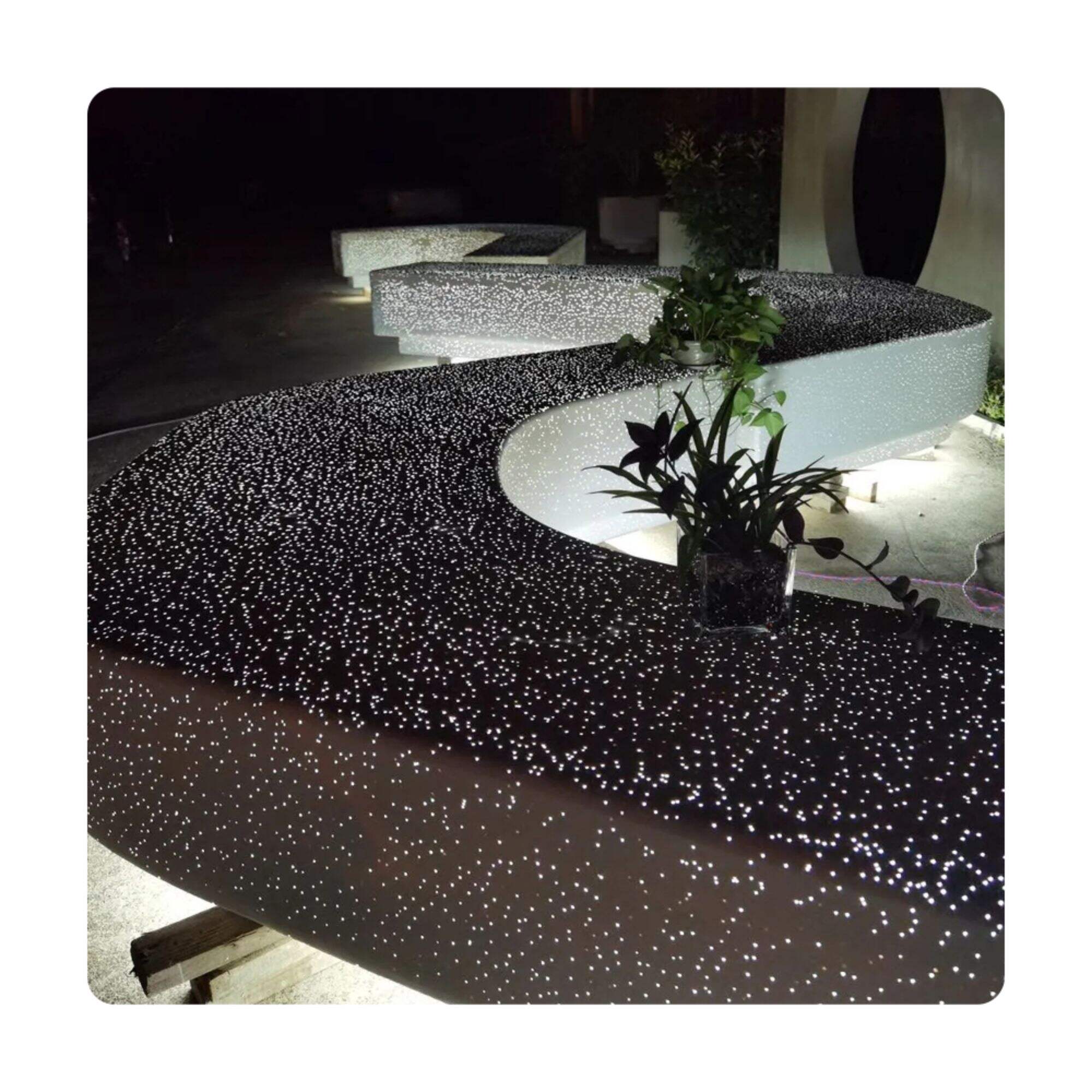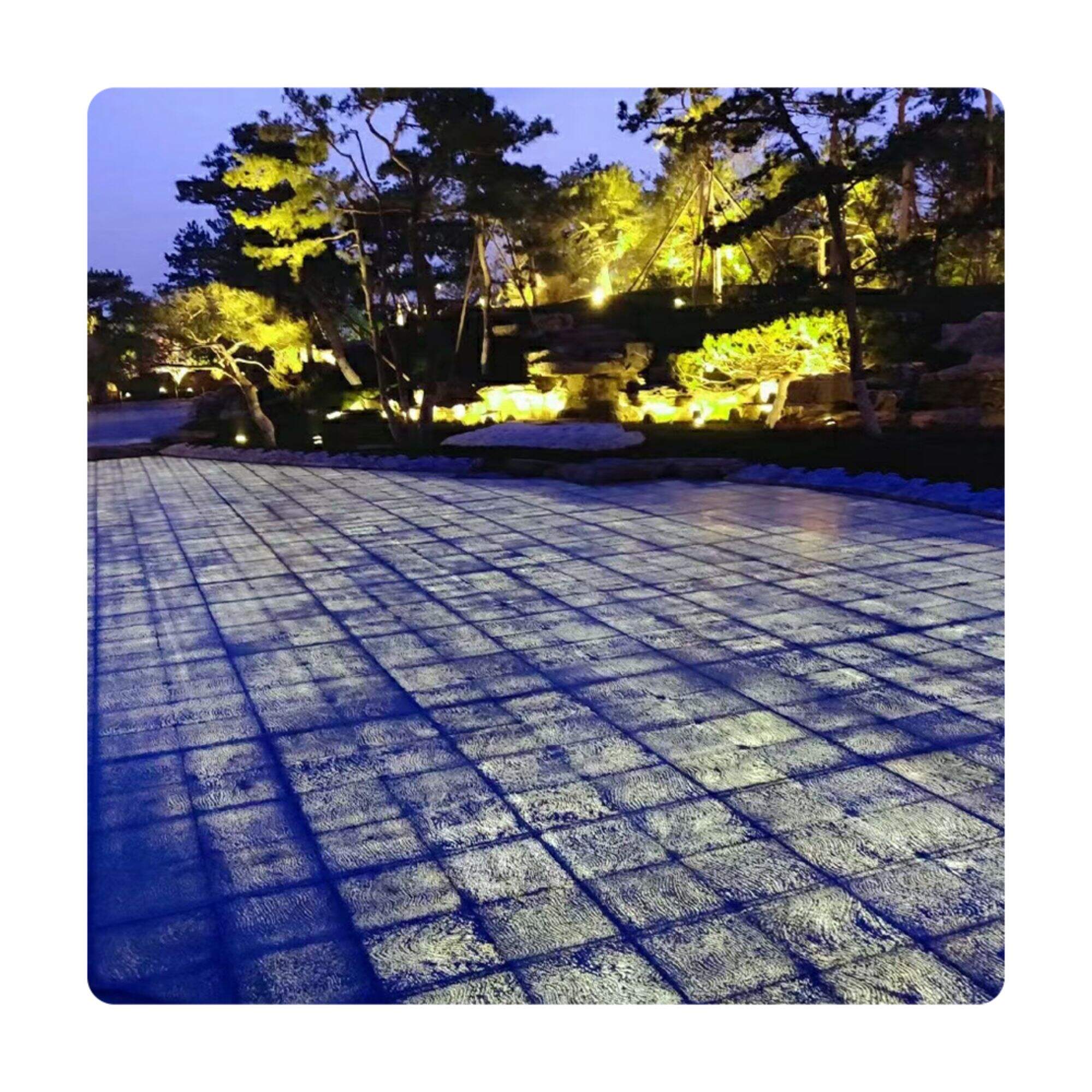
Transparent concrete walls are walls that are transparent, vision walls. How nice it would be if you could gaze through the wall in your house and sight the other side! You have a magic window to see through solid walls. Here we'll learn more about transparent concrete walls and what they do.
Clear concrete walls are made with a special type of concrete that includes tiny fibers. These fibers are what make the concrete see-through and strong too. They can be made from materials like glass or plastic, and they are evenly dispersed in the concrete.
See-though concrete walls can solve a variety of architectural and design problems. They are also good for letting more natural light into the house, which means you’ll be able to use less of your lights during the day. This saves energy and is kinder to the environment.
Nanotechnology is the science of tiny materials. Through the use of the technology, researchers are able to develop thinner, lighter and more transparent concrete. This provides new possibilities for using transparent concrete walls in various structures.
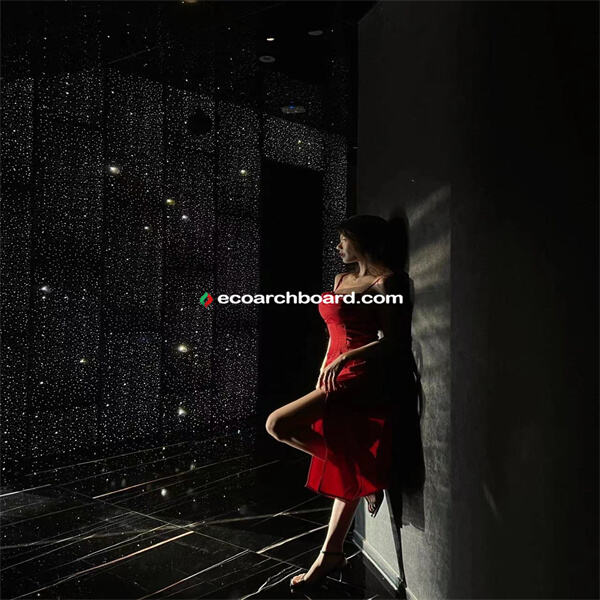
Transparent concrete walls are a portion of a greater system that typically contains frames, supports, and insulation. These elements combine to give the walls a useful and appealing look. For instance, the frames and supports support the transparent concrete panels, and the insulation conserves energy.
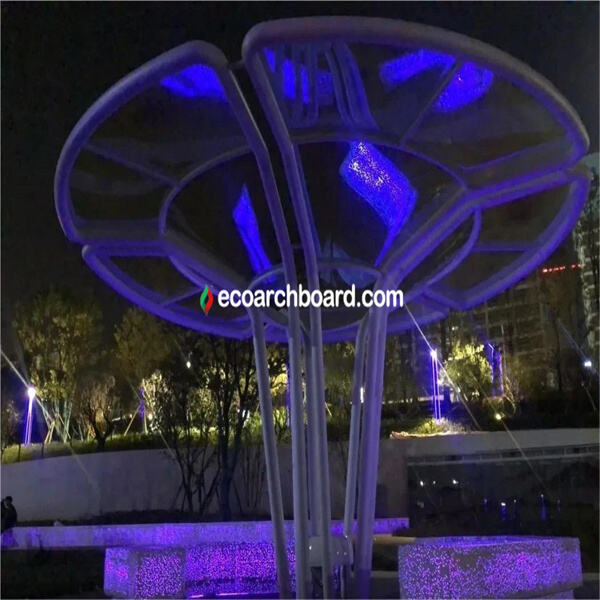
If we continue to look to the possibilities of transparent concrete walls, we may find them in even more innovative placements. Think of the experience of walking through a building with walls that alter their color or pattern depending on the time of day. Or things you can experience, like sitting in a room whose walls are transparent and you feel as if you are suspended in the sky?
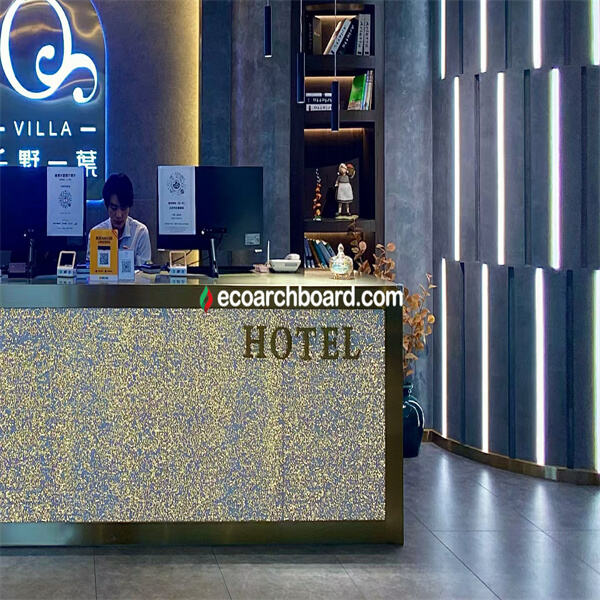
Eco-Arch has taken a step in the direction of eco-friendliness with building materials by using technology like this as an eco-friendly method of creating walls with transparent concrete and we really hope that people continue to get creative. Not only are these walls practical; they challenge us to think differently about the spaces around us.
Shanghai Eco-Arch has over 11 years of experience in R D in innovation, green building materials. diverse product line reflects our years' experience, including Artistic Gilt Wall Panels and Gilt Sandstone Cement Boards. Flexible Ceramic Tiles and 3D Travertine Soft Stones too. team designers and engineers continually pushes boundaries material science, by integrating green practices transparent concrete wall technology into products. dedication innovation ensures that products aren't only line with industry standards but also exceed them, with outstanding quality, beauty and environmental benefits. Eco-Arch is company that has strong commitment delivering modern-day construction solutions that are innovative. This is confirmed by over 100,000 successful cases of cooperation across the world.
Shanghai Eco-Arch excels in offering customized solutions meet the needs of each client, which transparent concrete wall commitment customer-centric services. vast product range more than 3,000 top-quality products, including Artistic Gilt Wall Panels Flexible Ceramic Tiles, Concrete Boards - can be tailored in regard to size, color layout fit any need a project. We prioritize understanding clients' specific needs. offer free samples and 24x7 professional OEM and ODM services to ensure a seamless and personalized experience. We oversee entire process customization and produce custom-designed products that are aligned with your project vision. With Eco-Arch customizing, go beyond simple services; it's our commitment to deliver custom quality that increases the aesthetic and practical value of your construction endeavors.
Shanghai Eco-Arch's massive production capacity designed to meet the demands for projects of any size, ensuring timely delivery a consistent supply. Our manufacturing facilities produce huge quantities building products such as 3D Travertine Soft Stones and Translucent Concrete without compromising quality. The capacity robust and has supported over 100,000 cooperation cases date, enabling us serve transparent concrete wall and domestic markets efficiently. extensive production and optimized procedures ensure a consistent flow of products. This allows us to reduce the length time required to complete your project on course. Whether you're embarking on one of our small residential developments or a huge commercial construction project Eco Arch's production capacity ensures that you have the materials you need, at the time you require them, and in the highest quality and dependability that are the hallmarks of Eco-Arch's brand.
At Shanghai Eco-Arch, quality control is an integral part of manufacturing philosophy. recognize the significance reliability and durability in building materials. That's why have enacted stringent quality control processes at every step of production process. state-of-the-art facilities equipped with sophisticated testing equipment make sure that products such KTC Exterior Panels, Fiber transparent concrete wall Boards Translucent Concrete meet highest standards performance and safety. Every product subject rigorous inspection to ensure consistency in dimensions, color structural integrity, ensuring every item which leaves our factory is built to last. unwavering dedication to quality provides customers with the assurance that they are investing in materials that combine top craftsmanship and outstanding durability, making Eco-Arch an established name in the industry.
 EN
EN
 AR
AR BG
BG HR
HR DA
DA NL
NL FI
FI FR
FR DE
DE EL
EL HI
HI IT
IT JA
JA KO
KO NO
NO PL
PL PT
PT RU
RU ES
ES SV
SV TL
TL ID
ID VI
VI HU
HU TH
TH TR
TR FA
FA MS
MS BE
BE BN
BN LO
LO LA
LA MY
MY KK
KK TG
TG UZ
UZ LB
LB